Recover Your Funds From Bitcoin, Forex, Binary, and Crypto Brokers. We Specialize in Cases Over $5000. Their experts are ready to help with tracing your lost funds and guide you toward recovery
EKBIT.com Review: Scam or Legit? A Comprehensive Analysis
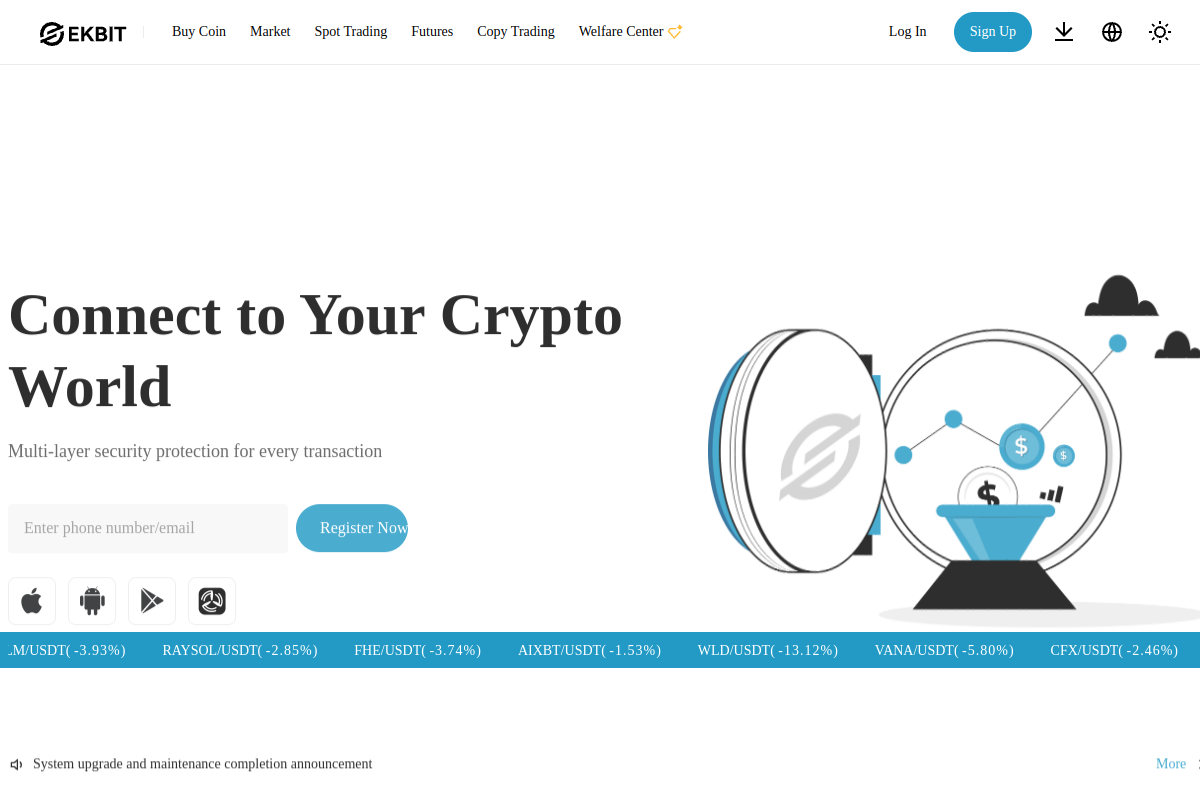
In the digital age, online commerce and services have flourished, but so have opportunities for fraudulent activities. Determining the legitimacy of a website before engaging with it is crucial for protecting your personal and financial information. This article provides an in-depth analysis of EKBIT.com, a website that has garnered attention and suspicion regarding its authenticity. We will examine potential red flags, user reviews, and website security features to determine whether EKBIT.com is a legitimate platform or a potential scam.
Red Flags Analysis: A Deep Dive into EKBIT.com
A thorough assessment of EKBIT.com requires scrutinizing various elements of the website, looking for signs that could indicate fraudulent or misleading practices. These red flags often include issues related to contact information, pricing structures, website design, security protocols, and terms of service.
Lack of Transparent Contact Information
One of the immediate red flags for any website is the absence of clear and readily accessible contact information. Legitimate businesses typically provide a physical address, a working phone number, and a responsive email address to foster trust and allow customers to easily reach them for support or inquiries. If EKBIT.com lacks this essential information, it raises serious concerns about its accountability and willingness to engage with its users.
- Missing physical address: The website should clearly display its business location.
- Unresponsive or non-existent phone number: A valid phone number and prompt response time are imperative.
- Generic or obscured email address: Using free email service domains (e.g., @gmail.com) for professional communications and hiding the admin email are cautionary signals.
Suspicious Pricing and Payment Methods
Unrealistic pricing or unconventional payment requests can be indicators of a scam. Be wary of deals that seem too good to be true or pressure you to pay through unsecured or less traceable methods.
- Unrealistic discounts: Offers significantly lower than market value might suggest fraudulent intent.
- Requests for payment via unconventional methods: Demanding payments through wire transfers, cryptocurrency, or gift cards, instead of secure credit card processing or reputable payment gateways, should be regarded with suspicion.
- Hidden fees or charges: A lack of transparency in pricing and additional unexpected fees can indicate deceptive practices.
Poor Website Design and Functionality
A poorly designed website with outdated graphics, grammatical errors, and broken links reflects a lack of professionalism and potentially fraudulent intentions. A legitimate business will invest in a user-friendly and visually appealing online presence. Furthermore, a poorly designed site can be indicative of insufficient security measures.
- Outdated or unprofessional design: Look for modern, functional, and user-friendly designs.
- Grammatical errors and typos: Frequent errors indicate a lack of attention to detail and professionalism.
- Broken links and non-functional pages: Dysfunctionality suggests neglect or a lack of investment in maintaining the website.
Missing or Invalid SSL Certificate
A Secure Socket Layer (SSL) certificate is essential for encrypting data transmitted between the user’s browser and the website’s server, protecting sensitive information like passwords and credit card details. Websites with the HTTPS protocol and a valid padlock icon in the address bar offer a secure environment. The absence of an SSL certificate indicates that the information you share with the website might be vulnerable to interception.
- Check for HTTPS protocol: Ensure the website URL starts with “HTTPS” rather than “HTTP”.
- Verify the padlock icon: Look for a padlock icon in the browser’s address bar, indicating a secure connection.
- Examine the certificate details: Click on the padlock icon to view the SSL certificate details, including the issuing authority and validity period.
Vague or Unclear Terms of Service
Legitimate websites provide clear and comprehensive terms of service that outline the rights and responsibilities of both the website operator and the user. Vague, confusing, or excessively one-sided terms can be a red flag, indicating that the website might be attempting to exploit users or avoid accountability.
- Read the Terms of Service carefully: Look for unfavorable clauses, ambiguous language, or excessive disclaimers.
- Check for a clear refund policy: A legitimate website should have a transparent refund policy in case of issues.
- Analyze the dispute resolution process: The terms of service should clearly explain how disputes will be resolved.
User Reviews Summary: Gathering External Perspectives
Beyond the website’s internal characteristics, it’s essential to consider external information, such as user reviews and ratings. Analyzing user experiences offers valuable insights into the website’s reputation and the level of satisfaction among its users.
While positive reviews can attest to a website’s legitimacy, negative reviews frequently signal problems with customer service, product quality, or potential scam-related issues. Pay attention to the frequency and consistency of complaints, as well as the website’s responsiveness to address users’ concerns. Trustpilot, Sitejabber, and similar review platforms can provide a consolidated view of user sentiment.
If EKBIT.com has a preponderance of negative reviews detailing experiences such as unfulfilled orders, poor communication, or questionable business practices, it warrants significant caution. A lack of any reviews could also suggest review manipulation or new site. Conversely, overwhelmingly positive reviews shouldn’t be automatically accepted–look for consistency and genuine-sounding feedback with both good and bad points given.
Final Verdict: Is EKBIT.com a Scam or Legit?
Based on the analysis of red flags and user reviews, a conclusive answer regarding the legitimacy of EKBIT.com requires a synthesis of the evidence gathered. If the website exhibits multiple red flags, such as a lack of transparent contact information, suspicious pricing, poor website design, missing SSL certificate, and vague terms of service, it raises serious concerns about its trustworthiness. Combined with predominantly negative user reviews outlining fraudulent activities, it suggests that EKBIT.com is likely a scam.
However, if EKBIT.com addresses the aforementioned red flags, provides clear and accessible contact information, implements secure payment methods, invests in professional website design, and maintains a valid SSL certificate, and enjoys largely positive user reviews, it’s more likely to be a legitimate business.
Ultimately, due diligence is paramount when interacting with any unfamiliar website. Before engaging with EKBIT.com, conduct thorough research, compare prices with reputable vendors, read user reviews cautiously, and carefully evaluate website security measures. If doubts persist, it’s best to err on the side of caution and seek alternative, more trustworthy options.
Leave a Reply