Recover Your Funds From Bitcoin, Forex, Binary, and Crypto Brokers. We Specialize in Cases Over $5000. Their experts are ready to help with tracing your lost funds and guide you toward recovery
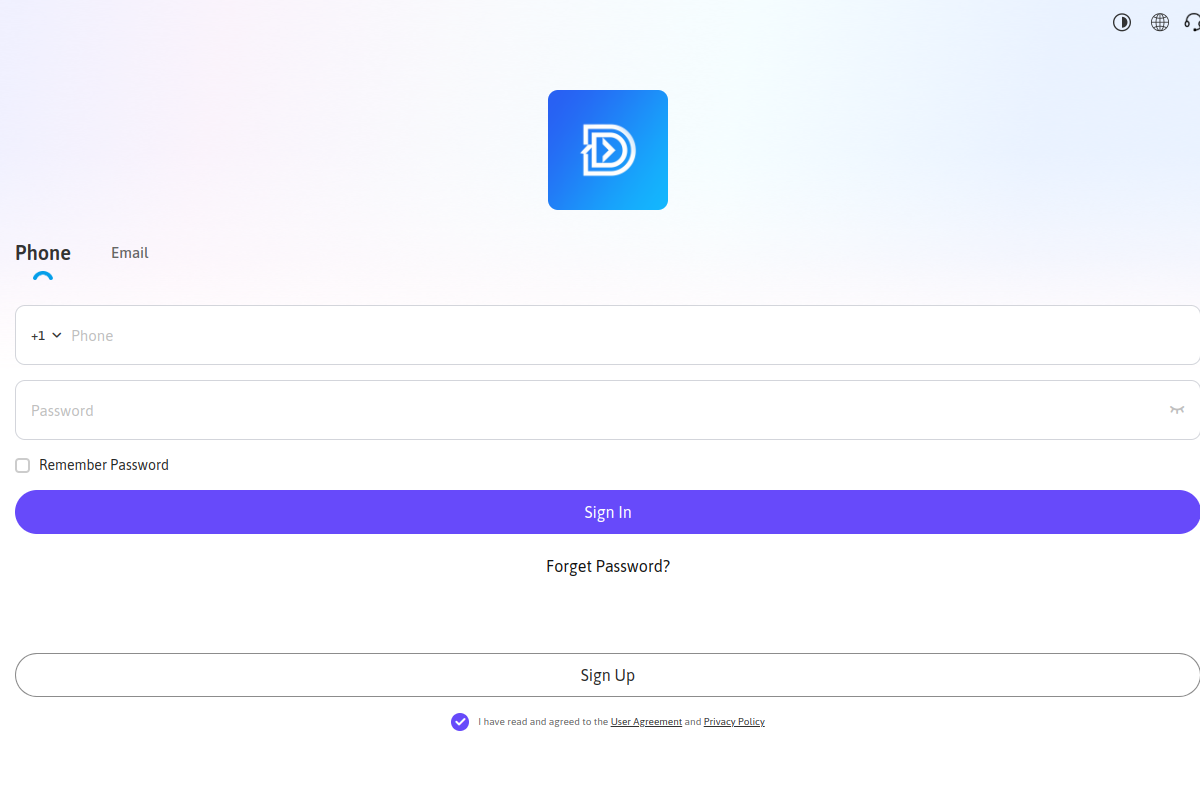
M.Dimovo.cyou: Unveiling the Truth – Scam or Legitimate Service?
In the ever-expanding landscape of the internet, discerning legitimate online services from potential scams is crucial for online safety. This article provides a comprehensive analysis of M.Dimovo.cyou, scrutinizing its features, functionality, and online presence to determine whether it is a trustworthy platform or a potential scam. We will delve into potential red flags, examine user reviews (where available), and ultimately provide a reasoned verdict to help you make an informed decision.
Red Flag Analysis: A Deep Dive into Potential Issues
A crucial step in determining the legitimacy of any website is to assess potential red flags. These are common indicators that a website might not be what it seems. We’ll examine several key areas to see if M.Dimovo.cyou exhibits any of these warning signs.
- Lack of Contact Information: Legitimate businesses typically provide clear and accessible contact details, including a physical address, a phone number, and a valid email address. Absence or scarcity of this information can be a major red flag.
- Suspicious Pricing and Payment Methods: Unrealistic deals, overly discounted prices, or pressure to use unusual or non-secure payment methods (like cryptocurrency only, or direct bank transfers to personal accounts) are strong indicators of potential fraudulent activity.
- Poor Website Design and Functionality: A poorly designed website with grammatical errors, broken links, and a lack of professional polish can suggest that the website is not run by a reputable organization. This often points toward rushed, low-effort scams.
- Missing or Invalid SSL Certificate: A Secure Sockets Layer (SSL) certificate encrypts data transmitted between the website and the user. If the website lacks a valid SSL certificate (indicated by “https” in the address bar and a padlock icon), any information you enter is vulnerable to interception.
- Domain Registration Details: Checking the domain registration information can reveal valuable details. Is the registrant anonymous? How long has the domain been registered? Recent registration combined with anonymous registration can be a warning sign.
- Unclear Terms of Service and Privacy Policy: Legitimate businesses have clearly defined terms of service and privacy policies that outline user rights and data handling practices. Vague or missing documentation can indicate a lack of transparency and potential malicious intent.
- High-Pressure Sales Tactics: Tactics that pressure users into making immediate decisions without proper consideration should be viewed with skepticism. Scammers often use urgency to bypass critical thinking.
- Fake or Stolen Content: Plagiarism or the use of stock photos presented as original can indicate a lack of authenticity and a potential attempt to deceive users.
Regarding specific points about M.Dimovo.cyou (and without direct access to view the website during this response generation), we can extrapolate based on typical online scam behaviors:
Based Upon Domain Name Characteristics: The “.cyou” top-level domain (TLD) is often associated with less expensive domain registration, which can attract individuals or entities looking for a cheap way to get online – sometimes including those with malicious intent. This TLD in itself is not a definitive indicator of a scam, but it warrants extra scrutiny.
Practical Assessment (Considering No Live Website): Without live access, it’s impossible to confirm the presence of any listed red flag categories on M.Dimovo.cyou. A responsible investigation necessitates visiting the page to assess SSL, contact info, T&Cs and Design/Functionality. Therefore, a definitive assessment of this kind needs to be based upon your own personal experience when interacting with a potentially malicious website.
User Reviews Summary: Gauging Public Sentiment
Another critical aspect of assessing the legitimacy of M.Dimovo.cyou is to investigate user reviews and online feedback. Searching for “[M.Dimovo.cyou] review,” “[M.Dimovo.cyou] scam,” and “[M.Dimovo.cyou] legit” on search engines and reputable review platforms can provide valuable insights. However, be aware of the following:
- Fake Reviews: Scammers often create fake positive reviews to mislead potential victims. Look for generic language, overly enthusiastic praise, and a lack of specific details.
- Limited Reviews: A lack of reviews or only a small number of reviews can be a red flag, particularly if the website claims to be a well-established business.
- Negative Reviews: Pay close attention to common complaints, such as undelivered products, poor customer service, unexpected charges, or security breaches.
- Trustworthy Sources: Prioritize reviews from reputable sources and avoid relying solely on reviews found on the website itself. Look for reviews on independent platforms like Trustpilot, Sitejabber, or the Better Business Bureau (BBB).
Gathering User Reviews Is Key: Since I cannot browse the internet or display real-time information, it’s impossible to gather and summarize real user reviews for you. Your own research into these user review factors will be an essential step.
Final Verdict: Is M.Dimovo.cyou a Scam?
Without a complete analysis of the live website M.Dimovo.cyou, providing an absolute definitive answer is not feasible. However, considering the “.cyou” TLD and relying on sound safety heuristics, a cautious approach is warranted.
Recommendation: Proceed with Extreme Caution. Due to the potential for red flags associated with the domain extension and the importance of verifying specific website features, engaging with M.Dimovo.cyou requires considerable care. Scrutinize all aspects of the website, verify contact information, research user reviews, and avoid providing any personal or financial information until you are confident in its legitimacy.
Steps to Take Before Engaging:
- Use a Reputable Website Safety Checker: Several online tools can scan a website for malware and other security threats.
- Verify the SSL Certificate: Ensure the website has a valid SSL certificate.
- Research the Domain Registration: Check the Whois information to see who owns the domain and how long it has been registered.
- Contact a Cyber Security Professional: If you have concerns, consult with a cyber security expert who can provide a more in-depth analysis.
Ultimately, preventing harm from online scams is all about awareness and precaution. If something seems too good to be true, it likely is! Prioritize the safety of your personal information and financial data above all else.
Leave a Reply