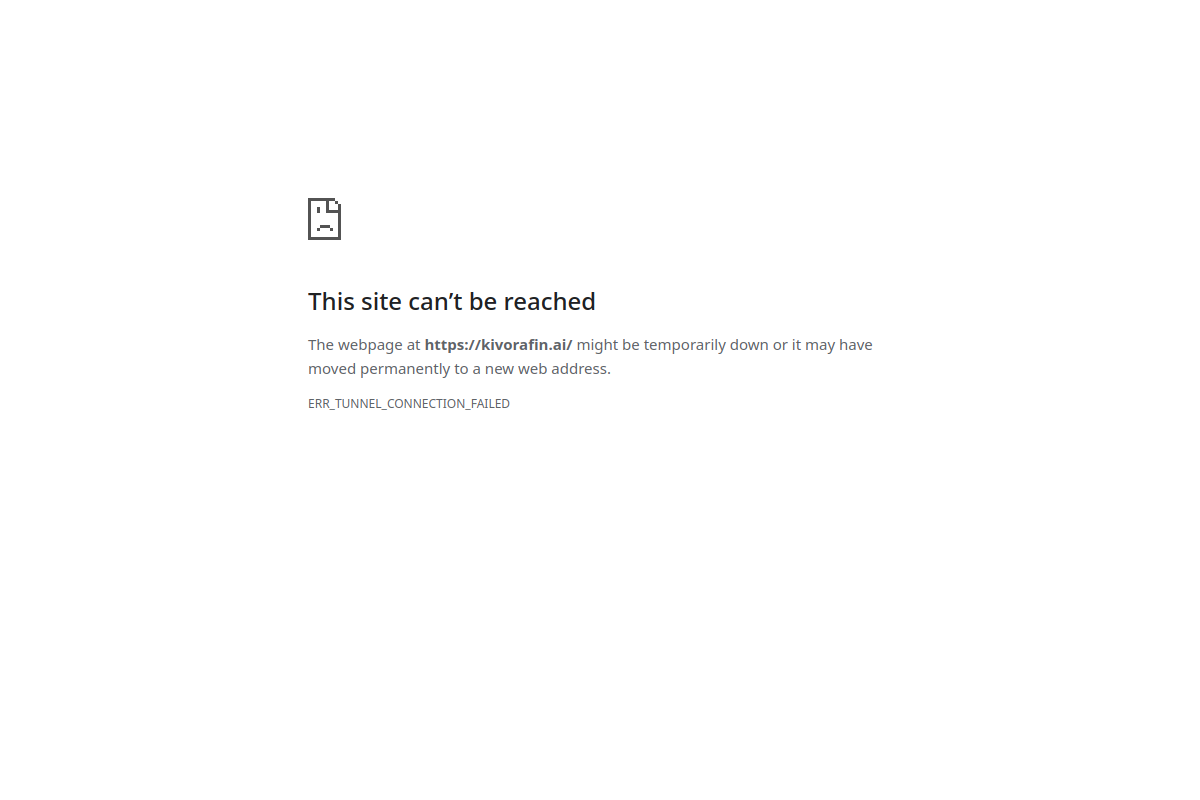
KivoraFin Review: Scam or Legit Cryptocurrency Platform? A Deep Dive
The world of cryptocurrency trading and investment is rife with both opportunity and risk. New platforms emerge frequently, each promising high returns and ease of use. However, not all platforms are created equal. Some are legitimate businesses, while others are designed to defraud unsuspecting investors. KivoraFin is one such platform that has attracted attention. This article provides a detailed KivoraFin review, analyzing its legitimacy and helping you determine whether it’s a safe place to invest your money.
Recover Your Funds From Bitcoin, Forex, Binary, and Crypto Brokers. We Specialize in Cases Over $5000. Their experts are ready to help with tracing your lost funds and guide you toward recovery
Red Flags Analysis: A Critical Look at KivoraFin
Identifying red flags is crucial when evaluating any online investment platform. These warning signs can indicate potential scams and protect you from financial losses. We’ve examined KivoraFin for common red flags:
Lack of Transparency and Contact Information
One of the first things to scrutinize is the platform’s transparency. Legitimate businesses readily provide clear and accessible contact information, including a physical address, phone number, and email address. They also have clearly defined terms and conditions and privacy policies. Many scam websites deliberately obscure this information or provide incomplete or misleading details. Does KivoraFin offer this? Often, suspect websites only provide a contact form with no direct email or phone number.
Specifically, we check for:
- Physical Address: Is a valid physical address listed? Can it be verified?
- Phone Number: Is there a working phone number? Does anyone answer when you call?
- Email Address: Is there a professional email address (not a free Gmail or Yahoo account)?
- Terms and Conditions: Are the terms and conditions clearly defined, understandable, and fair?
- Privacy Policy: Is there a comprehensive privacy policy outlining how your data is collected and used?
If KivoraFin lacks any of these crucial details, it should immediately raise concerns.
Suspiciously High Returns and Unrealistic Promises
A common tactic used by scam platforms is to promise unrealistically high returns with little to no risk. This is a classic “too good to be true” scenario. Legitimate investment opportunities always involve some level of risk, and guarantees of significant returns should be viewed with extreme skepticism. Assess KivoraFin’s claims critically. Do their promised returns align with industry standards for cryptocurrency investments? Are they transparent about the associated risks?
Be wary of:
- Guaranteed Profits: No legitimate investment can guarantee profits.
- High-Pressure Sales Tactics: Scammers often use pressure tactics to rush you into investing.
- Complex Investment Strategies: Unnecessarily complex strategies can be a way to obfuscate the risks.
Poor Website Design and Functionality
While not always indicative of a scam, a poorly designed website can be a red flag. Scam operations often cut corners, resulting in unprofessional-looking websites with grammatical errors, broken links, and a lack of essential features. A legitimate business invests in a professional and user-friendly website. Examine KivoraFin’s website for:
- Professional Appearance: Is the website well-designed and visually appealing?
- Grammar and Spelling: Are there frequent grammatical errors or typos?
- Broken Links: Are all links working correctly?
- Website Security: Does the website have a valid SSL certificate (indicated by a padlock icon in the address bar)?
- Functionality: Is the website easy to navigate and use?
Missing SSL Certificate and Security Measures
A Secure Sockets Layer (SSL) certificate is vital for any website that handles sensitive information, such as login credentials and financial data. An SSL certificate encrypts the data transmitted between your computer and the website, protecting it from eavesdropping. The absence of an SSL certificate (indicated by an “https://” URL and a padlock icon) is a significant red flag, suggesting that KivoraFin may not prioritize security.
Furthermore, look for information about other security measures they employ, such as:
- Two-Factor Authentication (2FA): Does the platform offer 2FA for enhanced security?
- Cold Storage: Are cryptocurrency funds stored offline in cold storage to protect against hacking?
- Regular Security Audits: Does the platform undergo regular security audits by reputable third-party firms?
User Reviews Summary: What Are Others Saying About KivoraFin?
Before investing in any platform, it’s essential to research user reviews and testimonials. These provide valuable insights into the experiences of other investors and can help you identify potential problems. Search for KivoraFin reviews on reputable review sites, forums, and social media platforms. Pay attention to recurring themes and complaints. Are users reporting difficulties withdrawing funds, encountering hidden fees, or experiencing poor customer service? A large number of negative reviews is a strong indication that KivoraFin might be a scam.
When analyzing user reviews, consider the following:
- Authenticity: Are the reviews genuine, or do they appear to be fake or biased?
- Recurrence: Are there recurring themes or complaints among multiple reviewers?
- Response: Has KivoraFin responded to negative reviews? If so, how did they address the concerns?
Be aware that some scam platforms may attempt to manipulate reviews by posting fake positive reviews or suppressing negative ones. Look for independent and verified reviews from trusted sources.
Final Verdict: Is KivoraFin a Scam or Legit?
Based on our analysis, determining the absolute legitimacy of KivoraFin requires a comprehensive investigation that extends beyond publicly available information. However, focusing on the red flag analysis above provides valuable clues. A lack of transparent contact information, promises of unrealistic returns, poor website design and missing security features all contribute towards a higher risk assessment.
Without further, concrete evidence of regulatory compliance and transparent operations, it is advisable to exercise extreme caution when considering investing in KivoraFin. Conduct thorough due diligence, consult with a financial advisor, and be prepared to lose your entire investment. The cryptocurrency market is inherently risky, and platforms like KivoraFin, which exhibit potential red flags, only amplify that risk.
In conclusion, while a definitive “scam” label may be premature, the presence of multiple red flags warrants significant suspicion. Always prioritize safety and conduct thorough research before entrusting your funds to any online investment platform. Remember, when it comes to investing, prevention is always better than cure.
Leave a Reply