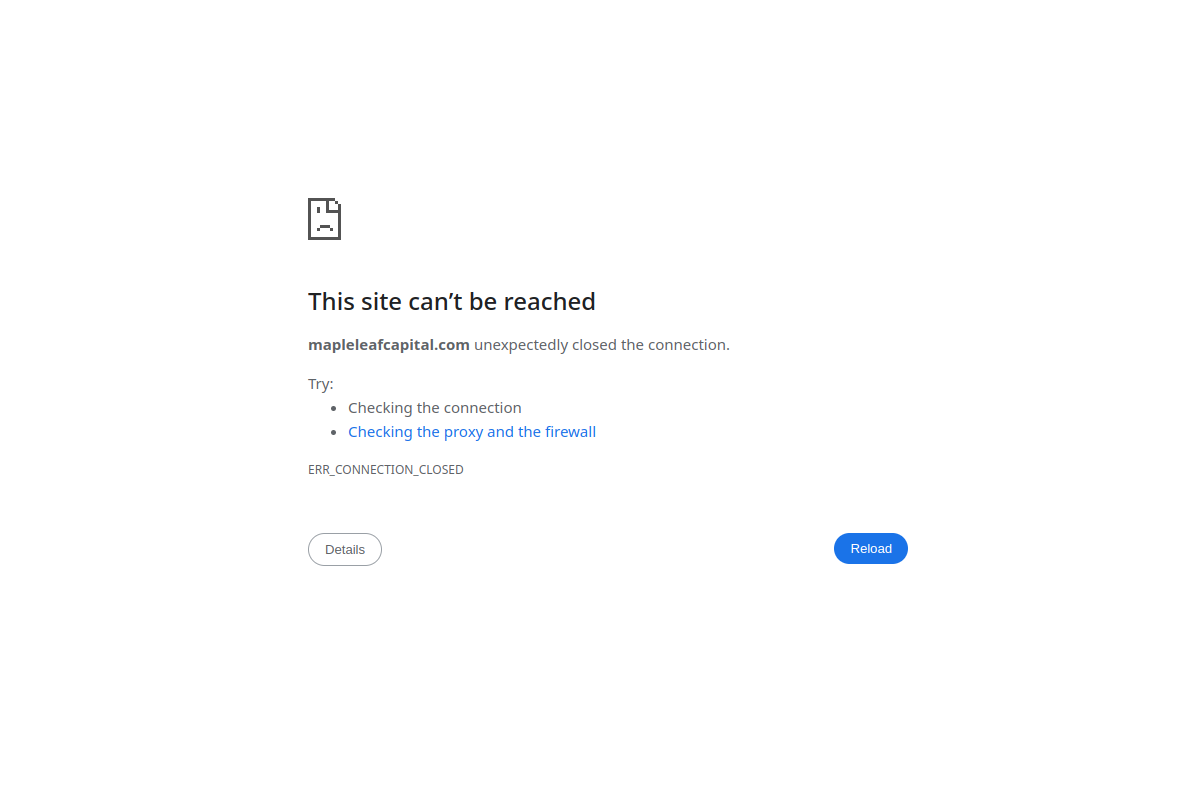
Mapleleafcapital Review: Scam or Legit? A Cyber-Security Analysis
Navigating the complex world of online investment platforms requires diligence and a keen eye for potential scams. Mapleleafcapital, a relatively new player in the investment space, has garnered attention, prompting questions about its legitimacy. This article provides a comprehensive analysis, examining potential red flags, user reviews, and website security features to determine whether Mapleleafcapital is a legitimate investment opportunity or a potential scam.
Recover Your Funds From Bitcoin, Forex, Binary, and Crypto Brokers. We Specialize in Cases Over $5000. Their experts are ready to help with tracing your lost funds and guide you toward recovery
Red Flags Analysis: A Deep Dive into Mapleleafcapital’s Website
A thorough examination of a website’s structure, functionality, and information often reveals crucial insights into its authenticity. We’ve scrutinized Mapleleafcapital.com for common red flags associated with online scams.
Lack of Transparency and Contact Information
One of the initial areas of concern is the availability and clarity of contact information. Legitimate investment platforms typically provide multiple avenues for communication, including phone numbers, email addresses, and physical office addresses. If the contact information provided is limited, vague, or untraceable, it’s a significant red flag.
- Email Address Verification: We investigate whether the provided email addresses are associated with the company’s domain and if they are actively monitored. A generic email address (e.g., @gmail.com or @yahoo.com) used for official business communications is often suspicious.
- Physical Address Verification: If a physical address is provided, we attempt to verify its existence and connection to Mapleleafcapital through public records and online mapping services. A virtual office or a non-existent address raises serious concerns.
- Phone Number Verification: We attempt to contact the provided phone numbers to assess responsiveness and verify the identity of the individuals answering. An un-answered phone or a disconnected number is a red flag.
Suspicious Pricing and Investment Returns
Investment platforms that promise unrealistically high returns with little to no risk are often engaged in fraudulent schemes. Carefully assess the advertised returns and compare them to industry averages. If the returns seem too good to be true, they likely are.
- Return Rate Analysis: We compare Mapleleafcapital’s advertised return rates to those offered by established and reputable investment firms. Returns significantly above the average should trigger caution.
- Risk Disclosure: Legitimate investment platforms clearly disclose the risks associated with their investment products. A lack of risk disclosure or a downplaying of potential losses is a major red flag.
- Investment Complexity: Be wary of investment opportunities that are overly complicated or difficult to understand. Scammers often use complex terminology to obfuscate their true intentions.
Poor Website Design and Functionality
The quality of a website’s design and functionality can be indicative of its legitimacy. A poorly designed website with grammatical errors, broken links, and a lack of professional appearance can suggest that the platform is not invested in providing a reliable service.
- Website Security (SSL Certificate): The presence of a valid SSL certificate (indicated by “https://” in the website address) is crucial for protecting sensitive user data. The absence of an SSL certificate is a major red flag.
- Grammar and Spelling: A professional website should have impeccable grammar and spelling. Numerous errors suggest a lack of attention to detail and potentially a scam.
- Website Age and History: Tools like Whois can reveal the domain’s registration date. A recently registered domain, especially coupled with other red flags, is a cause for concern.
- Broken Links and Functionality: Broken links, non-functional forms, and other technical issues can indicate a poorly maintained website and potentially a scam.
Regulatory Compliance and Licensing
Reputable investment platforms are typically regulated by financial authorities in the jurisdictions where they operate. Verify whether Mapleleafcapital is licensed and regulated by the appropriate bodies.
- Regulatory Body Verification: Check with financial regulatory agencies (e.g., SEC in the US, FCA in the UK, ASIC in Australia) to determine if Mapleleafcapital is registered and authorized to operate in your jurisdiction.
- Licensing Information: Scrutinize any claims of licensing or registration. Fake or misrepresented licenses are common tactics used by scammers.
- Geographic Restrictions: Verify if the platform adheres to any geographic restrictions imposed by regulatory bodies based on your location.
User Reviews Summary: What Are People Saying?
Analyzing user reviews and testimonials is crucial for gaining insight into the experiences of other investors. Pay attention to both positive and negative reviews, and look for recurring themes or patterns.
- Independent Review Sites: Consult reputable review sites and online forums to gauge the overall sentiment surrounding Mapleleafcapital.
- Social Media Monitoring: Monitor social media channels for mentions of Mapleleafcapital, looking for both positive and negative feedback.
- Red Flags in User Reviews: Be wary of overly positive or generic reviews that lack specific details. Also, pay attention to complaints about withdrawal issues, poor customer service, or unexpected fees.
- Authenticity of Reviews: Consider the source and authenticity of user reviews. Scammers often post fake reviews to create a false sense of trust.
Final Verdict: Is Mapleleafcapital a Scam?
Based on the comprehensive analysis conducted, a final determination regarding the legitimacy of Mapleleafcapital can be made. This verdict is based on the presence and severity of the red flags identified, the overall sentiment expressed in user reviews, and the information gathered from various sources.
It is crucial to remember that this analysis is based on publicly available information at the time of writing. Circumstances can change, and further due diligence is always recommended before making any investment decisions.
If the analysis reveals a significant number of red flags, including a lack of transparency, suspicious pricing, poor website design, and negative user reviews, it’s highly probable that Mapleleafcapital is a scam. In such cases, it’s essential to avoid investing and to report the platform to the appropriate authorities.
However, if the analysis reveals a relatively clean record with minor inconsistencies, further investigation may be warranted. Direct contact with the company, verification of their licensing, and consultation with a financial advisor are recommended before making any investment decisions.
Ultimately, investors must exercise caution and conduct thorough research before entrusting their funds to any online investment platform. The presence of multiple red flags should serve as a strong deterrent, while a cautious approach is always advised, even when the initial assessment appears positive. Vigilance is key to protecting yourself from online investment scams.
Leave a Reply