Tufttoken Review: Scam or Legit? An In-Depth Analysis
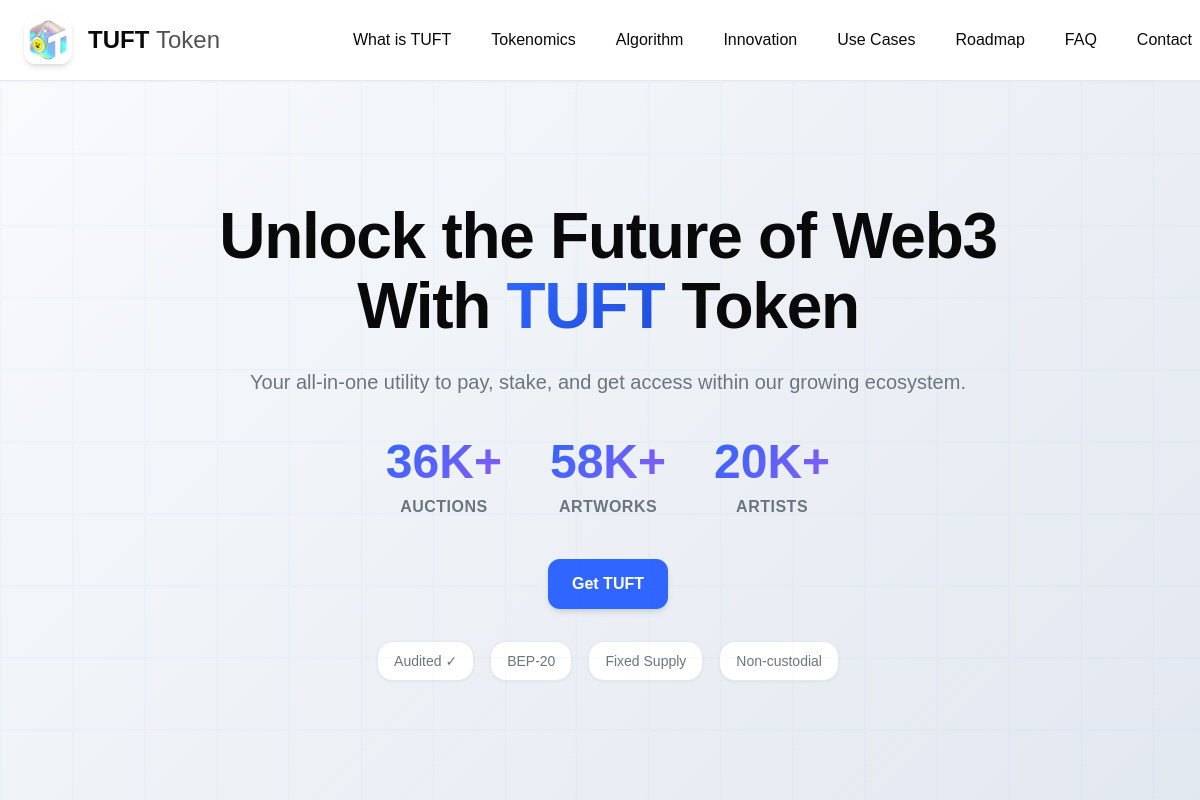
The cryptocurrency market is rife with new projects, each vying for attention and investment. However, the rapid growth also attracts malicious actors seeking to exploit unsuspecting individuals. Tufttoken, a relatively new cryptocurrency, has garnered attention, but questions surrounding its legitimacy persist. This comprehensive analysis aims to determine whether Tufttoken is a legitimate project or a potential scam, scrutinizing its website, claims, and online presence for red flags. We will delve into the technical aspects, user reviews, and overall credibility to provide a well-informed verdict. This review is created to provide insight on how to identify a potential crypto scam.
Recover Your Funds From Bitcoin, Forex, Binary, and Crypto Brokers. We Specialize in Cases Over $5000. Their experts are ready to help with tracing your lost funds and guide you toward recovery
Red Flags Analysis: Examining Tufttoken’s Website and Claims
A critical starting point in assessing the legitimacy of any cryptocurrency project is a thorough examination of its website and promotional materials. Several key indicators can signal potential fraudulent activity.
Lack of Transparency and Contact Information
The absence of clear and readily accessible contact information is a significant red flag. Legitimate projects will typically provide a physical address, phone number, and email address, along with identifiable team members. A lack of this information suggests an unwillingness to be held accountable. Examine the Tufttoken website for these crucial details. Is there a clear “About Us” section? Are the team members listed with verifiable credentials? Are there multiple methods of contact?
Suspicious Pricing and Guaranteed Returns
Any cryptocurrency project promising guaranteed returns or exhibiting unusually high and unsustainable price fluctuations should be approached with extreme caution. The cryptocurrency market is inherently volatile, and legitimate projects cannot guarantee profits. Investigate Tufttoken’s pricing history. Does it appear to be artificially inflated? Are there claims of guaranteed returns or unrealistic profit margins? Such claims are hallmarks of Ponzi schemes and other fraudulent activities.
Poor Website Design and Functionality
A poorly designed website with grammatical errors, broken links, and a generally unprofessional appearance can indicate a lack of investment and commitment from the project developers. This is especially true if the website is missing an SSL certificate. Check the Tufttoken website for design quality, grammatical accuracy, ease of navigation, and the presence of an SSL certificate (indicated by “https” in the URL). A professionally designed and maintained website contributes significantly to establishing trust and credibility.
Missing or Vague Whitepaper
A whitepaper serves as a project’s foundational document, outlining its purpose, technology, and roadmap. A missing, poorly written, or overly vague whitepaper is a major red flag. The whitepaper should clearly explain the project’s goals, the underlying technology, the tokenomics (economics of the token), and the development team’s plans for the future. Analyze the Tufttoken whitepaper (if available). Does it make sense from a technical perspective? Does it exhibit logical gaps or inconsistencies? Does the tokenomics model suggest a sustainable financial system?
Unrealistic Promises and Overhyped Marketing
Aggressive marketing tactics and unrealistic promises of quick riches are common tactics employed by scam projects to lure investors. Be wary of projects that focus more on hype than substance. Evaluate the Tufttoken marketing materials. Are the claims realistic and supported by evidence, or are they primarily based on hype and unsubstantiated promises? Are they targeting uninformed investors and using FOMO tactics?
Investigate the Team’s Background and Online Reputation
Research the project’s core team and scrutinize their online presence and previous experience. Look for evidence of prior involvement in questionable or fraudulent activities. Use search engines and social media platforms to gather information about their professional history and reputation. Are the team members identifiable and reputable? Do they have a proven track record in the cryptocurrency or blockchain space?
Check the Smart Contract (If Applicable):
If Tufttoken is a token on an existing blockchain (like Ethereum or Binance Smart Chain), examine the smart contract code. Resources like Etherscan or BscScan allow anyone to view the code. Look for red flags like: centrally controlled minting authority, the ability to blacklist addresses, and hidden functions that could drain funds. This level of technical security audit may need to be performed by a smart contract specialist.
User Reviews Summary: What are People Saying About Tufttoken?
Beyond the technical analysis, it’s crucial to consider the experiences of other users. Online forums, social media platforms, and review websites can provide valuable insights into the project’s reputation and user satisfaction. However, be mindful that reviews can be manipulated, so look for patterns and corroborating information.
- Search for Reviews: Use search engines (Google, DuckDuckGo) with queries like “Tufttoken review,” “Tufttoken scam,” and “Tufttoken complaints.”
- Check Social Media: Explore platforms like Twitter, Reddit, and Telegram for mentions of Tufttoken. Pay attention to both positive and negative comments. Specifically check for the sentiment of token owners. Are people claiming they are unable to sell or withdraw their holdings?
- Look for Red Flags in Reviews: Be cautious of reviews that are overly positive or negative, lack specific details, or appear to be written by bots or paid promoters.
- Consider the Source: Evaluate the credibility of the review source. Reputable and independent review websites are generally more reliable than anonymous forum posts.
Summarize common themes and concerns expressed by users. Are there widespread complaints about withdrawal issues, lack of communication from the developers, or other problems? A significant number of negative reviews should raise serious concerns.
Final Verdict: Is Tufttoken a Scam or Legit?
Based on the information gathered through our analysis, a final determination regarding the legitimacy of Tufttoken must be made. This requires a summation of all findings. Consider the points reviewed earlier:
- Was contact information readily available and verifiable?
- Did the pricing history and promises seem realistic?
- Was the website professionally designed and secure?
- Was there a comprehensive and understandable whitepaper?
- Were the marketing tactics ethical and responsible?
- Was the team transparent and reputable?
- What issues are users reporting online?
A preponderance of red flags – such as a lack of transparency, unrealistic promises, a poorly designed website, and negative user reviews – strongly suggests that Tufttoken is likely a scam. Investors are advised to exercise extreme caution and avoid investing in this project. Always conduct thorough due diligence and consult with a financial advisor before investing in any cryptocurrency projects.
A lack of definitive proof does not automatically validate a project, and ongoing vigilance is essential in the volatile cryptocurrency market. This review serves as a starting point for your own research and should not be considered financial advice.
Leave a Reply