Recover Your Funds From Bitcoin, Forex, Binary, and Crypto Brokers. We Specialize in Cases Over $5000. Their experts are ready to help with tracing your lost funds and guide you toward recovery
Huobit Scam or Legit? A Comprehensive Cybersecurity Analysis
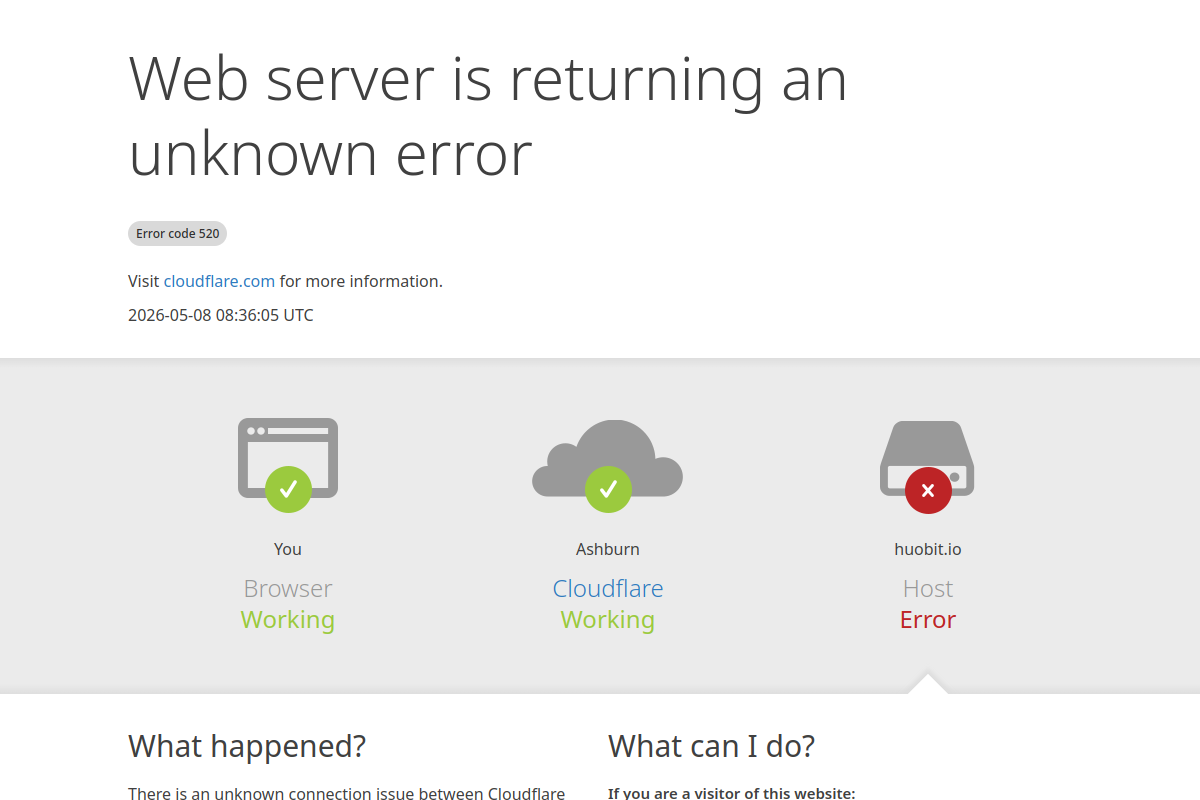
The rapid expansion of the cryptocurrency market has paved the way for innovative financial technologies, but it has also created a fertile breeding ground for sophisticated digital fraud. One name that has recently surfaced in various investor circles and online forums is Huobit. Potential users frequently ask a critical question: Is Huobit a legitimate cryptocurrency exchange or a meticulously designed scam? As digital assets become more mainstream, distinguishing between a secure trading environment and a fraudulent platform is essential for protecting one’s capital. This article provides a deep-dive analysis into Huobit from the perspective of a cybersecurity professional and an SEO analyst, examining the technical infrastructure, regulatory standing, and operational transparency of the site.
The Rise of Look-Alike Platforms in the Crypto Space
To understand the nature of Huobit, one must first understand the concept of brand impersonation or typosquatting. In the world of cryptocurrency, Huobi (now officially rebranded as HTX) is a globally recognized and legitimate exchange with a long-standing reputation. Fraudulent actors often register domains that are visually or phonetically similar to established brands to siphon off unsuspecting traffic. Huobit appears to fall squarely into this category. By appending a single letter to a famous brand name, the platform attempts to leverage the trust associated with the original entity while operating entirely independently and without any legal affiliation.
Cyber-security analysts categorize such sites as high-risk. These platforms are often designed to mimic the user interface and color schemes of legitimate exchanges, leading users to believe they are interacting with a trusted partner. This psychological manipulation is the first major red flag in our investigation of Huobit.
Technical Red Flags and Domain Analysis
When evaluating the legitimacy of a financial platform, the technical foundation of the website offers significant clues. A comprehensive analysis of Huobit reveals several glaring inconsistencies that are common among fraudulent operations.
Lack of Transparency in Domain Registration
Legitimate financial institutions typically maintain transparent WHOIS records, or at the very least, they are registered through reputable corporate entities with long-term lease agreements. Huobit, by contrast, often utilizes short-term domain registrations. Many of these domains are registered for only one year, which is a hallmark of “churn and burn” scam operations. Furthermore, the registration data is usually redacted via privacy services based in jurisdictions that are difficult for international law enforcement to reach. While privacy is a right in the crypto world, the combination of a brand-mimicking name and hidden ownership is a significant cause for concern.
Security Certifications and Encryption
While Huobit may employ standard SSL (Secure Sockets Layer) encryption, represented by the padlock icon in the browser address bar, this should not be mistaken for a seal of legitimacy. In the modern web environment, even malicious sites can easily obtain free SSL certificates. What is missing from Huobit are the advanced security protocols expected of a multi-million dollar exchange, such as transparent cold storage addresses, proof of reserves (PoR), and multi-signature withdrawal processes. The absence of a verifiable “Proof of Reserves” is perhaps the most damning technical omission for any entity claiming to be a cryptocurrency exchange in the post-FTX era.
Regulatory Compliance and Legal Non-Existence
For a cryptocurrency exchange to operate legally in most major jurisdictions, it must be registered with financial regulatory bodies. In the United States, this would include registration with FinCEN as a Money Services Business (MSB). In the United Kingdom, the Financial Conduct Authority (FCA) maintains a strict registry for crypto-asset firms. Huobit fails to provide any verifiable evidence of licensing or regulation in any Tier-1 or Tier-2 financial jurisdiction.
The lack of a physical office address is another critical red flag. Most legitimate exchanges provide a corporate headquarters address and are registered in business-friendly but regulated hubs like Singapore, the Seychelles, or various European nations. Huobit offers vague information or entirely omits contact details, making it virtually impossible for users to seek legal recourse in the event of a dispute. In the world of cybersecurity and finance, “no address” usually equates to “no accountability.”
Analyzing the User Interface and Operational Flow
The operational logic of Huobit follows a pattern often seen in “Pig Butchering” scams or fraudulent investment schemes. The platform often lures users through social media platforms, dating apps, or unsolicited messages on Telegram and WhatsApp. Once a user joins, the interface is designed to show rapid, albeit fake, gains on their investments.
- Suspicious Bonus Structures: Huobit frequently offers unrealistic deposit bonuses. While legitimate exchanges do offer incentives, Huobit often promises 100 percent matches or guaranteed daily returns that defy market logic.
- Difficulty in Withdrawal: This is the most common complaint associated with the site. Users report that while depositing funds is seamless, withdrawing them is nearly impossible. The platform often demands “taxes,” “verification fees,” or “security deposits” before a withdrawal can be processed—a classic characteristic of an exit scam.
- Manipulated Trading Data: The charts and trading volumes displayed on Huobit often do not align with global market data from reputable sources like CoinMarketCap or CoinGecko. This suggests that the internal dashboard is a closed loop designed to deceive the user.
User Reviews and Community Sentiment
A professional SEO and market analysis must include the voice of the consumer. Aggregator sites such as Trustpilot and various crypto-watchdog forums are flooded with negative reports regarding Huobit. The sentiment is overwhelmingly negative, with common themes including:
- Ghosting by Support: Customer service is responsive when the user is depositing money but becomes completely silent once withdrawal issues are raised.
- Account Freezing: Users report their accounts being frozen for “suspicious activity” the moment they attempt to move their assets to an external wallet.
- High Pressure Tactics: Account managers (often scammers in disguise) use high-pressure sales tactics to encourage users to “invest” more to reach a certain tier or to unlock a pending withdrawal.
It is also important to note that Huobit may have several “positive” reviews. However, closer inspection by an SEO expert reveals that these are often bot-generated or part of a paid reputation management campaign. These fake reviews usually use repetitive language and lack specific details about the platform’s features, focusing instead on vague praise for “high profits.”
The Verdict: Is Huobit Legit or a Scam?
Based on a rigorous analysis of the domain’s technical structure, its deceptive naming convention, the total lack of regulatory oversight, and the consistent pattern of user complaints, the verdict is clear: Huobit is a fraudulent platform and should be classified as a scam.
There is no evidence to suggest that Huobit operates as a legitimate financial intermediary. Instead, it functions as a digital trap designed to exploit the growing interest in cryptocurrency. The platform utilizes typosquatting to confuse users, provides no legal protections, and employs predatory tactics to prevent users from ever recovering their deposited funds.
How to Protect Yourself
To avoid falling victim to sites like Huobit, investors should follow these cybersecurity best practices:
- Verify the URL: Always double-check the spelling of the website. Scammers rely on your eyes skimming over a small typo like “Huobit” instead of “Huobi.”
- Check for Regulation: Look for verifiable license numbers and check them against the official registries of financial regulators like the FCA, ASIC, or FinCEN.
- Avoid “Too Good To Be True” Offers: Any platform promising guaranteed returns or massive bonuses for small deposits is likely a scam.
- Use Known Exchanges: Stick to industry leaders with proven track records, transparent leadership, and published Proof of Reserves.
- Search for Independent Reviews: Look for reviews on third-party forums like Reddit or specialized crypto-security sites rather than relying on the testimonials featured on the platform itself.
In conclusion, Huobit represents a significant threat to the financial security of digital asset investors. By masquerading as a reputable exchange, it captures the capital of those seeking to enter the crypto market. High levels of vigilance and a healthy dose of skepticism are the best tools for navigating the complex and often dangerous landscape of online financial platforms. Do not deposit funds into Huobit, and if you have already done so, do not pay any additional “fees” to attempt a withdrawal, as this will only result in further financial loss.
Leave a Reply