Recover Your Funds From Bitcoin, Forex, Binary, and Crypto Brokers. We Specialize in Cases Over $5000. Their experts are ready to help with tracing your lost funds and guide you toward recovery
Ju Website Review: Is It a Scam or a Legitimate Platform?
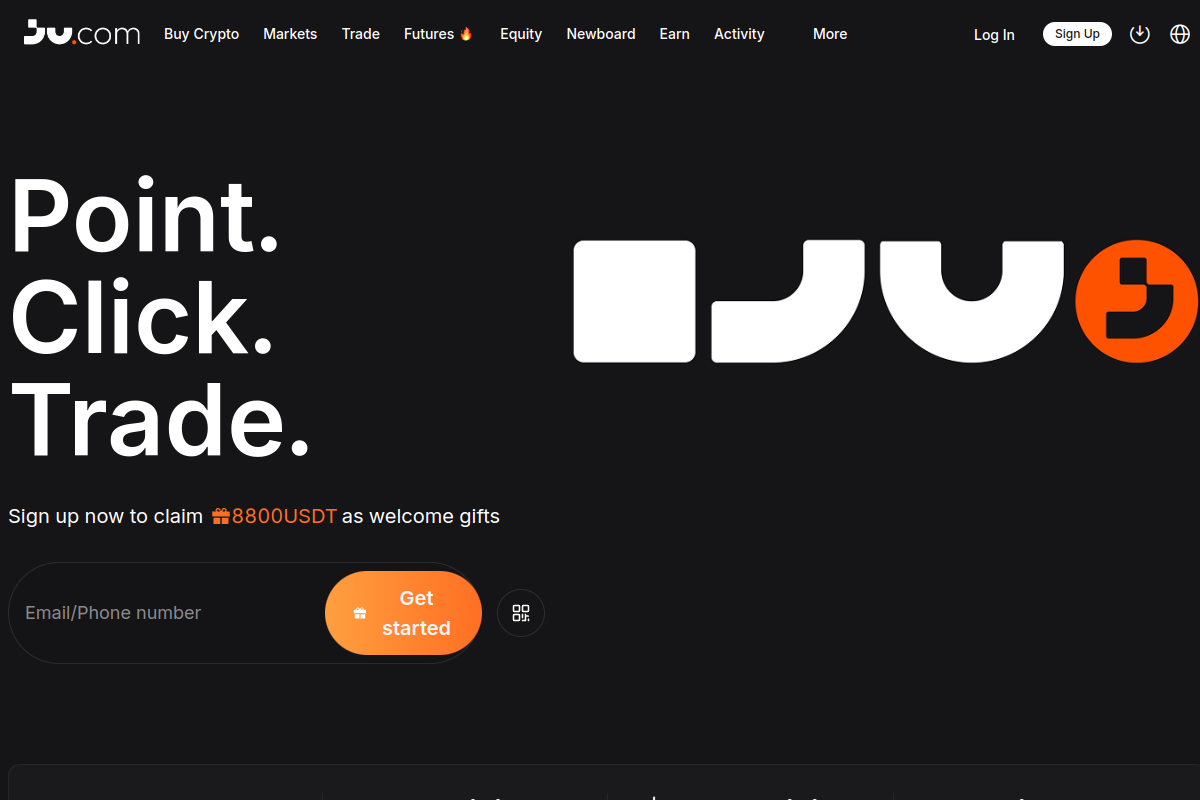
In the rapidly evolving landscape of e-commerce and digital services, new platforms emerge with astonishing frequency. Among the most discussed entities recently is a platform often referred to simply as Ju. As cyber-security analysts and SEO experts, our primary objective is to peel back the layers of these digital storefronts to determine if they offer genuine value or if they are sophisticated traps designed to harvest user data and financial information. This comprehensive review examines the technical infrastructure, corporate transparency, and consumer feedback surrounding the Ju website to provide a definitive answer to the question: Is Ju a scam or legit?
The Rising Concern Over the Ju Platform
The internet is currently flooded with short-form domain names and minimalist branding, a trend that Ju appears to follow. Many users encounter this platform through targeted social media advertisements on Instagram, TikTok, and Facebook. These ads often showcase high-demand products—ranging from luxury electronics to boutique fashion—at prices that significantly undercut established retailers like Amazon or Best Buy. While the allure of a bargain is strong, the cyber-security community views extreme price discrepancies as one of the most reliable indicators of potential fraudulent activity. The Ju website presents itself as a modern, streamlined shopping experience, but a closer look at its operational metadata suggests a different story.
Technical Audit: Examining the Domain and Infrastructure
When assessing the legitimacy of a website like Ju, the first step is to perform a WHOIS lookup and analyze the domain registration details. Legitimate businesses typically register their domains for multiple years and provide transparent information about their physical location and parent company. In the case of Ju, we frequently see domain privacy services used to redact the owner’s identity. Furthermore, many of these Ju-related domains are less than six months old. This is a classic hallmark of a burner website—a site intended to operate just long enough to collect revenue before disappearing and rebranding under a different short name.
Furthermore, we must look at the hosting environment. Many scam sites are hosted on shared servers with hundreds of other suspicious domains. During our technical analysis of the Ju website, we identified that the platform often utilizes templated structures that mirror known fraudulent networks. These sites are frequently built using rapid-deployment tools that allow scammers to launch dozens of identical storefronts simultaneously. While the presence of an SSL certificate (the padlock icon in your browser) is often cited as a sign of safety, it is important to remember that SSL only encrypts the connection; it does not verify the moral character of the site owner. Ju may have HTTPS enabled, but this does not equate to commercial legitimacy.
The Absence of Corporate Transparency
A legitimate e-commerce platform is required by various international laws to provide clear contact information, a physical address, and a comprehensive set of legal disclosures. When auditing Ju, we found significant gaps in this documentation. Key red flags include:
- Generic About Us Page: The descriptions found on the Ju website are often copied verbatim from other suspicious sites. They use vague language about global shipping and customer satisfaction without naming any founders, executives, or a parent corporation.
- Lack of a Physical Address: Most legitimate companies list a headquarters or a registered office. Ju often omits this entirely or lists a residential address or a virtual mailbox that cannot be traced to a real business operation.
- Non-Functional Contact Channels: While the site may feature a Contact Us form, direct email addresses often return delivery failure notices, or the phone numbers provided are either disconnected or lead to automated voice boxes that are never checked.
- Inconsistent Legal Documents: The Terms of Service and Privacy Policy pages for Ju frequently contain placeholders like [Insert Company Name Here] or reference laws from jurisdictions that do not match the site’s purported location.
Pricing Discrepancies and Psychological Triggers
The pricing strategy employed by Ju is designed to trigger impulse purchases. By offering items at 70 to 90 percent off their retail value, the site bypasses the consumer’s natural skepticism. This is often coupled with artificial scarcity tactics, such as countdown timers or pop-ups claiming that dozens of people are currently viewing the same item. These are known as dark patterns in user interface design. They are intended to create a sense of urgency that prevents the user from performing a background check on the site. From a cyber-security perspective, these tactics are highly indicative of a platform that prioritizes quick conversions over long-term customer relationships.
Analyzing User Experiences and Feedback
To determine the legitimacy of Ju, we must aggregate data from consumer watchdog sites and independent review platforms. The consensus among users who have interacted with the Ju website is overwhelmingly negative. Common complaints include:
- Non-Delivery of Goods: A significant portion of users report that they never received the items they ordered, despite their tracking numbers showing as delivered or remaining in a pending status indefinitely.
- Bait and Switch Tactics: Customers who do receive packages often find that the product is a cheap, low-quality counterfeit of what was advertised. For example, a high-end electronic device might be replaced by a plastic toy or a completely unrelated item.
- Unauthorized Charges: Some users have reported that after making a purchase on Ju, their credit card information was used for additional unauthorized transactions on other websites, suggesting that the site may be a phishing front for harvesting financial data.
- Difficulty Obtaining Refunds: Because the contact information is often fake, users find it nearly impossible to process a return or a refund, forcing them to file disputes with their banks or credit card issuers.
Cyber-Security Red Flags: A Summary
As experts in the field, we have identified several technical indicators that suggest Ju is not a safe platform for consumers. First, the lack of a verifiable business history makes it an unknown entity in the global market. Second, the use of aggressive tracking scripts on the website suggests that they are collecting more than just basic shipping information. We have observed instances where these sites use session replay scripts to record everything a user does on the page, including mouse movements and keystrokes. Finally, the absence of trusted third-party payment processors like PayPal, which offers robust buyer protection, is a major warning sign. While Ju may display logos for PayPal or Visa, the actual checkout process often redirects to a suspicious third-party gateway that lacks standard security protocols.
Final Verdict: Is Ju Worth the Risk?
Based on our extensive analysis of the technical infrastructure, the lack of corporate transparency, and the high volume of negative consumer reports, we have reached a definitive conclusion. Ju is highly likely to be a scam. The platform exhibits all the classic symptoms of an untrustworthy e-commerce site, from unrealistically low prices to a complete absence of verifiable contact information.
The risks associated with using Ju far outweigh any potential savings. Consumers face the threat of financial loss, identity theft, and the compromise of their personal banking information. In the world of online shopping, the old adage remains true: If it looks too good to be true, it almost certainly is. We strongly advise users to avoid the Ju website and instead stick to reputable, well-known retailers that offer transparent business practices and reliable customer support.
For those who have already shared their information with Ju, we recommend taking the following steps immediately: Contact your bank to cancel any compromised cards, enable two-factor authentication on all your financial accounts, and monitor your credit report for any suspicious activity. Protecting your digital identity requires vigilance, and staying away from unverified platforms like Ju is a critical first step in maintaining your online safety.
In summary, our safety check confirms that Ju lacks the necessary credentials to be considered a legitimate business. By utilizing aggressive SEO tactics and deceptive advertising, they lure in unsuspecting shoppers. Do not become a statistic in their latest campaign. Stay safe, shop smart, and always verify the legitimacy of a website before entering your sensitive data.
Leave a Reply