Recover Your Funds From Bitcoin, Forex, Binary, and Crypto Brokers. We Specialize in Cases Over $5000. Their experts are ready to help with tracing your lost funds and guide you toward recovery
Globalblue-agent Review: Is It a Legitimate Platform or a Sophisticated Task Scam?
In the rapidly evolving landscape of digital finance and remote work opportunities, the line between a legitimate side hustle and a sophisticated financial trap is often blurred. Recently, a platform operating under the name Globalblue-agent has surfaced, attracting significant attention from internet users seeking to earn commissions through online tasks. As cyber-security analysts and SEO experts, we have conducted an extensive investigation into this platform to determine its legitimacy. This comprehensive review will dissect the operational mechanics of Globalblue-agent, analyze its technical infrastructure, and provide a definitive verdict on whether your data and money are safe with this entity.
The rise of task-based employment scams has become a global epidemic. These schemes typically involve impersonating well-established brands to gain a veneer of credibility. In this case, the name Globalblue-agent appears to be a direct attempt to leverage the reputation of Global Blue, the reputable Swedish tourism shopping tax refund company. However, our initial findings suggest that the Globalblue-agent website has no official affiliation with the genuine Global Blue corporation, marking the first significant red flag in our investigation.
The Architecture of a Task Scam: How Globalblue-agent Operates
Globalblue-agent utilizes a business model commonly referred to in cybersecurity circles as an Order Brushing or Task Scam. The process usually begins with an unsolicited message via encrypted platforms like Telegram or WhatsApp. Users are invited to participate in a simple job: helping merchants boost their product rankings or visibility by completing virtual orders. In return, the user is promised a commission for every task completed.
The psychological hook of Globalblue-agent is the initial ease of use. New users are often given a small sign-up bonus or allowed to withdraw a very small amount of money early on. This is a calculated move designed to build trust and encourage the user to invest their own capital. To progress to higher tiers or unlock more lucrative tasks, the platform requires users to recharge their accounts using cryptocurrency or direct bank transfers. Once a significant amount of money is deposited, the platform typically freezes the account, citing technical errors, tax requirements, or security audits, effectively stealing the user funds.
Critical Red Flags and Cyber-Security Analysis
To provide an objective assessment, we analyzed several technical and operational aspects of Globalblue-agent. The following points represent critical vulnerabilities and indicators of fraudulent activity:
- Domain Anonymity and Recent Registration: Legitimate financial platforms maintain transparent domain registration records. Globalblue-agent, however, often uses domains registered very recently, frequently within the last few months. Furthermore, the WHOIS data is almost always redacted, hiding the identity of the owners and the physical location of the business.
- Impersonation Tactics: By using the name Globalblue, the site attempts to trick users into believing they are working for the established tax-refund giant. The real Global Blue operates on the globalblue.com domain and does not recruit random agents via Telegram to perform manual order-processing tasks for high commissions.
- Lack of Regulatory Compliance: Any platform handling financial transactions or promising investment-like returns must be registered with financial authorities such as the FCA in the UK, the SEC in the US, or equivalent local bodies. Globalblue-agent provides no evidence of licensing or regulatory oversight.
- The Cryptocurrency Trap: The platform heavily favors deposits in USDT (Tether) or other cryptocurrencies. This is a major red flag because cryptocurrency transactions are irreversible and difficult for law enforcement to track, making it the preferred medium for international scammers.
- Absence of Professional Contact Information: A professional business provides a physical headquarters address, a verified corporate phone number, and a dedicated support email. Globalblue-agent relies solely on anonymous chat apps, which can be deleted or blocked instantly if a user begins asking difficult questions.
The Technical Landscape: SSL and Web Design
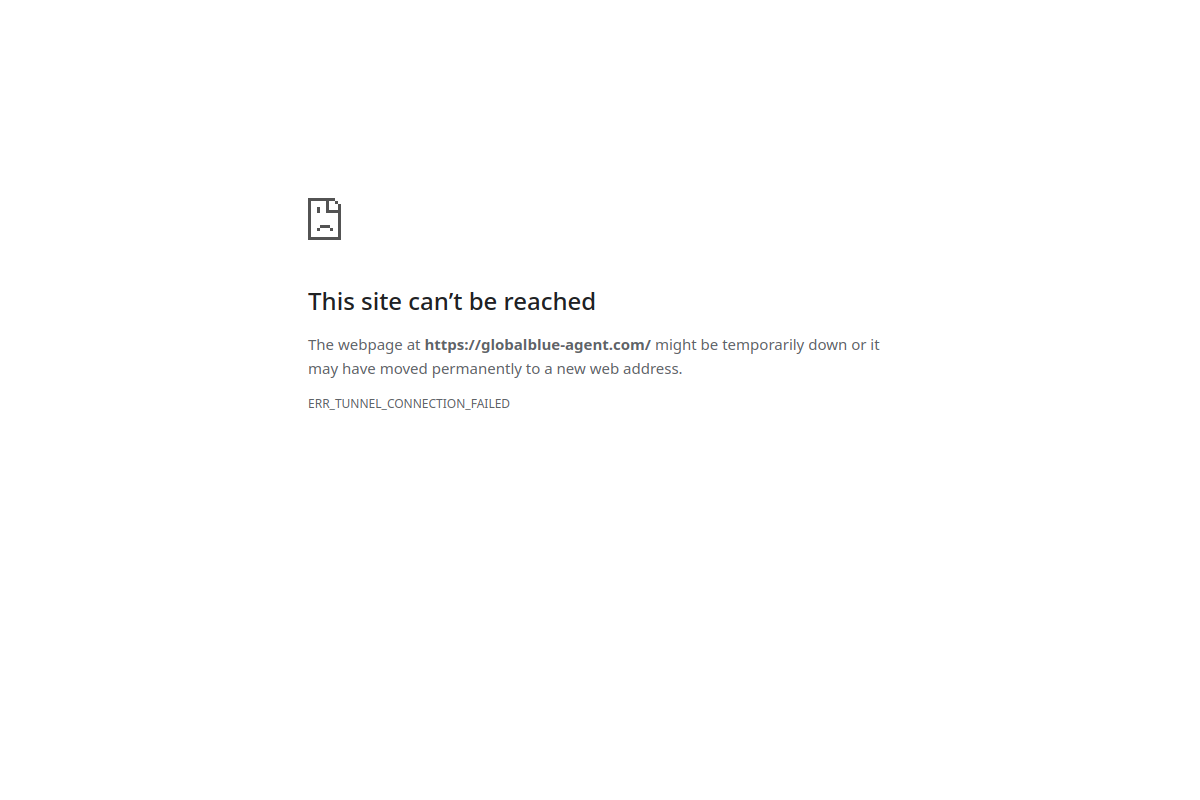
From a technical standpoint, Globalblue-agent often utilizes basic templates that lack the complexity of a real e-commerce or financial services site. While the site may have a basic SSL certificate (showing the padlock icon in the browser), this only means the connection is encrypted, not that the entity on the other end is trustworthy. Modern scammers easily obtain free SSL certificates to appear legitimate to the untrained eye.
Furthermore, the internal dashboard of Globalblue-agent often contains broken links, poor grammatical translations, and low-resolution images. These are hallmark signs of a low-effort phishing site designed to be discarded and replaced once it is flagged by blacklists or security software. The lack of a comprehensive Privacy Policy and Terms of Service that reference a specific legal jurisdiction further reinforces the illegitimacy of the operation.
Analyzing User Reviews and Victim Testimonials
While some promotional content for Globalblue-agent might exist on social media—often posted by bots or individuals attempting to earn referral bonuses—the genuine user feedback is overwhelmingly negative. A common pattern emerges from victim testimonials across various fraud-reporting forums:
- The Bait: Users report being contacted by recruiters on LinkedIn or WhatsApp, offering flexible, high-paying remote work.
- The Hook: The first few tasks yield a five or ten-dollar profit that is actually deposited into the user’s wallet, creating a false sense of security.
- The Switch: The user is then prompted to take on a premium task that requires a 500-dollar deposit. Once paid, the task is marked as stuck, and a further 1,000 dollars is requested to fix the error.
- The Loss: Once the user refuses to pay more, the customer service agents stop responding, and the account is eventually deleted.
This cycle is a textbook example of a sunk-cost fallacy exploitation, where victims continue to pay more money in the desperate hope of recovering their initial investment. The negative reviews are not just about poor service; they are consistent accounts of outright financial theft.
Is Globalblue-agent Legit or a Scam?
Based on our extensive cybersecurity audit and SEO analysis of the platform’s digital footprint, the answer is definitive. Globalblue-agent is a scam. It possesses all the classic characteristics of a task-based fraud operation, including brand impersonation, lack of transparency, high-pressure tactics, and the absence of any real legal or physical presence.
The platform is designed with a single goal: to extract as much money as possible from users before disappearing and rebranding under a different name. There is no evidence of any real merchant partnerships, and the tasks provided are functionally meaningless simulations designed to justify the request for deposits.
Final Verdict and Safety Recommendations
The final verdict for Globalblue-agent is a High-Risk Warning. Users should avoid interacting with this website, providing any personal identification documents, or depositing any funds. If you have already shared personal information, it is highly recommended to change your passwords and monitor your financial accounts for suspicious activity.
To protect yourself from similar scams in the future, remember these key safety principles:
- Be Skeptical of Unsolicited Job Offers: Legitimate companies rarely recruit for high-paying positions through WhatsApp or Telegram.
- Verify the Domain: Always check the official website of a company to see if the URL matches the one you are being sent. If the real company is globalblue.com and you are sent to globalblue-agent.com, it is a fraud.
- Avoid Pay-to-Work Models: You should never have to pay a fee, buy a VIP level, or deposit money to start a legitimate job. If a job requires you to send money to earn money, it is almost certainly a Ponzi or task scam.
- Use Security Tools: Employ high-quality antivirus and anti-phishing software that can identify known malicious domains before you click on them.
In conclusion, Globalblue-agent is a dangerous entity that should be avoided at all costs. By maintaining a high level of digital literacy and skepticism toward too-good-to-be-true offers, users can protect themselves from these increasingly common online predators.
Leave a Reply